Sudan's Ambassador Points Finger at UAE: A Calculated Gamble or Desperate Plea?
The Sudanese Ambassador to India, Mohammed Abdalla Ali Eltom, has made a bold accusation: the United Arab Emirates is allegedly supplying weapons to the Rapid Support Forces (RSF), a militia group accused of atrocities in Darfur. This isn't just a diplomatic spat; it's a potential game-changer in a conflict already destabilizing the region. Eltom claims the UAE's support is funneled through Libya and Chad, essentially turning these countries into arms conduits.
Decoding the Ambassador's Message
Eltom's statement is interesting on several levels. First, he's framing the conflict not as a civil war, but as a confrontation with "non-regional actors." This is a crucial distinction. Civil wars are often seen as internal affairs, limiting international intervention. By labeling the RSF as a proxy for foreign powers, Eltom is actively soliciting international support. He wants the world to see this as an external aggression against Sudan, not an internal power struggle.
Second, he's calling for the RSF to be designated as a terrorist organization. This would trigger a whole host of sanctions and restrictions, making it much harder for the group to operate and receive support. But is this a realistic prospect? Designating a group as "terrorist" is a highly political decision, and it's not clear if there's enough international consensus to make it happen. What happens if the international community doesn't see it that way?
The ambassador also highlights the use of "strategic drones" by the RSF, arguing this points to state-level involvement in arming the militia. This is a key piece of evidence he's using to implicate the UAE. Strategic drones aren't exactly off-the-shelf tech; they require training, maintenance, and a sophisticated logistical chain. If the RSF is using them, it strongly suggests they're getting help from someone with serious resources.
Geopolitical Chessboard
Eltom's accusations come at a time when the UAE is increasingly flexing its muscles on the international stage. They've been active in various conflicts across the Middle East and Africa, often backing different sides than traditional US allies. Is this a sign of a new, more assertive UAE foreign policy? (One that is seemingly okay with destabilizing an already fragile region?)
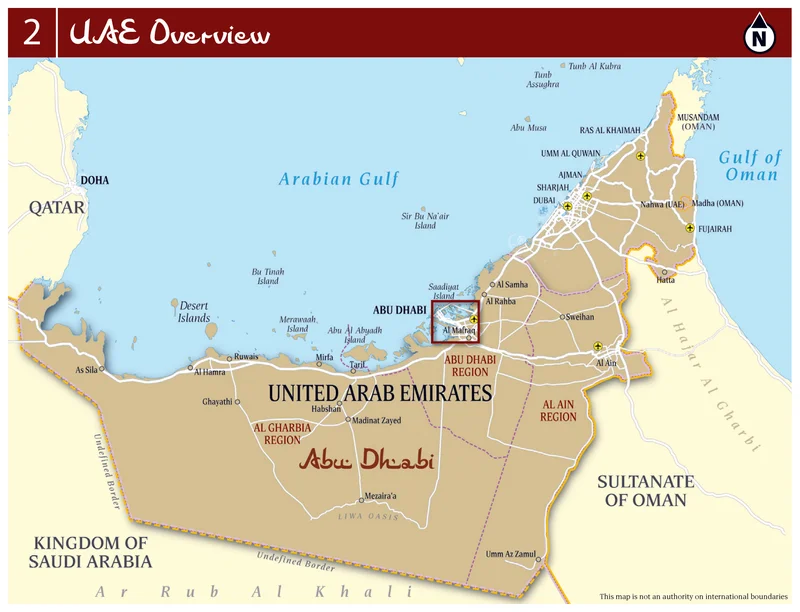
The Philippines and the United Arab Emirates have applied to join the Comprehensive and Progressive Agreement for Trans-Pacific Partnership (CPTPP) 12-nation trade bloc, according to Japanese government sources. More on this development can be found in "Philippines and UAE apply to join CPTPP to counter Trump tariffs."
I've looked at these situations many times, and this is the part of the report that I find genuinely puzzling. The UAE is simultaneously trying to project an image as a responsible international player (by joining trade blocs) and potentially undermining regional stability (by allegedly arming militias). This discrepancy—or perhaps calculated duality—begs the question: what is the UAE's long-term strategy here?
Eltom's acknowledgment of India's humanitarian assistance is also noteworthy. He's clearly trying to cultivate closer ties with India, a major regional power with a vested interest in stability in the Red Sea region. He even notes that "India can make a difference as it is a powerful actor." This is a subtle but unmistakable appeal for Indian intervention.
Is This a Desperate Move?
So, is Eltom's public accusation a calculated gamble or a desperate plea? It could be both. Sudan's military government is under increasing pressure, and they may see publicly shaming the UAE as their only option to cut off the RSF's supply lines. On the other hand, it could be a risky move that backfires, further isolating Sudan and emboldening the RSF. As reported by the Hindu, "UAE supplying weapons to Rapid Support Forces: Sudanese Ambassador to India Eltom," the ambassador's statements have added significant tension to the situation.
The communication blackout in El Fashir, where an Indian national was captured, adds another layer of complexity. The lack of information makes it difficult to assess the true situation on the ground.
What we know for sure is that the Sudanese ambassador has thrown down the gauntlet. He's named names and laid out his case. Now, it's up to the international community to decide how to respond.